pdf color inverter

PDF color inversion transforms a document’s visual presentation, switching light colors to dark and vice versa, offering enhanced readability and accessibility options for users.

What is PDF Color Inversion?

PDF color inversion is the process of reversing the colors within a Portable Document Format (PDF) file. Essentially, it swaps the light and dark shades, turning a traditionally light-background document into one with a dark background and light text – and vice versa. This isn’t a modification of the underlying document content, but rather a visual adjustment to how the PDF is displayed.

Tools like iLovePDF, Firefox PDF Editor, and PDF-XChange Editor facilitate this process, offering users a quick way to alter the visual appearance. It’s a feature often utilized for improved readability in low-light conditions or by individuals with specific visual sensitivities, making PDFs more accessible.

Why Invert Colors in a PDF?

Color inversion in PDFs serves several key purposes, primarily enhancing readability and accessibility. Many users find dark mode, achieved through inversion, reduces eye strain, especially during nighttime viewing or in dimly lit environments. It can also significantly benefit individuals with certain visual impairments, like light sensitivity or dyslexia, improving their reading experience.

Furthermore, inverting colors can be useful for conserving battery life on devices with OLED or AMOLED screens. Beyond personal preference, it’s a valuable accessibility feature, ensuring PDFs are usable by a wider audience. Tools like Acrobat Reader offer this as part of their accessibility options.

Methods for Inverting PDF Colors

Numerous methods exist for inverting PDF colors, ranging from convenient online tools like iLovePDF and Smallpdf, to utilizing built-in features within Adobe Acrobat Reader and Firefox.

Using Online PDF Tools

Online PDF tools provide a quick and accessible way to invert colors without requiring software installation. Services like iLovePDF offer a dedicated color inversion feature, simplifying the process for users needing a fast solution. These platforms generally allow you to upload your PDF, initiate the inversion, and then download the modified file.

Smallpdf also provides a PDF inverter, offering similar functionality. These web-based options are particularly useful for occasional use or when working across different devices. They often support batch processing, allowing multiple PDFs to be inverted simultaneously. Remember to check the service’s privacy policy before uploading sensitive documents, as they involve sending your files to a third-party server.

iLovePDF Color Inversion Feature

iLovePDF’s color inversion tool is a completely free and easy-to-use online service. It allows users to quickly transform PDF visuals, switching light and dark colors for improved readability or aesthetic preferences. The process is straightforward: upload your PDF document to the iLovePDF website, select the color inversion option, and initiate the conversion.

Once completed, you can download the inverted PDF. iLovePDF is known for its user-friendly interface and a range of other PDF manipulation tools, including merging, splitting, and compression. It’s a convenient option for those seeking a simple, web-based solution without the need for software downloads or registration.

Smallpdf PDF Inverter

Smallpdf offers a dedicated PDF inverter as part of its comprehensive suite of online PDF tools. This feature allows users to effortlessly reverse the colors within a PDF document, enhancing visibility or catering to specific visual needs. Like iLovePDF, Smallpdf operates entirely online, eliminating the need for software installation.

Users simply upload their PDF, and Smallpdf handles the color inversion process. The service provides a user-friendly experience and supports various PDF file sizes. Smallpdf also offers solutions for merging, splitting, converting, and editing PDFs, making it a versatile choice for diverse document management tasks, all accessible without limits or watermarks.

Utilizing Adobe Acrobat Reader

Adobe Acrobat Reader, the world’s most trusted PDF reader, provides built-in accessibility features that can be leveraged for color inversion; While not a direct “invert colors” button, Acrobat Reader allows users to modify color settings to achieve a similar effect. This is particularly useful for individuals with visual impairments or those who prefer a darker interface for extended reading sessions.

Acrobat Reader’s capabilities extend beyond viewing; it enables sharing, annotating, signing, and form filling. It supports collaboration with multiple users and ensures document security through features like password protection and digital signatures, making it a robust solution for comprehensive PDF management.

Acrobat Reader’s Accessibility Features for Color Inversion

Acrobat Reader incorporates several accessibility features that indirectly facilitate color inversion. Users can adjust color contrast through the “Preferences” menu, under “Accessibility.” While a dedicated inversion toggle isn’t present, modifying these settings – specifically, altering the document’s color theme – can simulate an inverted color scheme. This involves changing the background and text colors to their opposites, effectively achieving a similar visual outcome.

These features are designed to enhance readability for users with low vision or other visual impairments, offering a customizable viewing experience. The software prioritizes inclusive document access, making PDFs more usable for a wider audience.

Step-by-Step Guide to Inverting Colors in Acrobat Reader

To simulate color inversion in Acrobat Reader, begin by navigating to “Edit” then “Preferences.” Select “Accessibility” from the left-hand panel. Under the “Color Options” section, uncheck “Use Device Colors.” Next, customize the “Page Background” and “Text” colors. Set the “Page Background” to black or a dark shade, and the “Text” color to white or a light hue.

Apply these changes and observe the document. While not a true inversion, this method effectively reverses the color scheme. Remember to save these preferences for consistent application across future PDF views. This workaround provides a degree of customization for improved readability.

Employing Firefox PDF Editor

Firefox offers a built-in PDF editor allowing basic modifications, including simulating color inversion. Open your PDF directly within Firefox. To adjust colors, utilize Firefox’s developer tools (right-click, “Inspect”). Access the CSS styling for the PDF elements. Modify the ‘filter’ property, applying ‘invert(1)’ to achieve a full color reversal.

Alternatively, explore Firefox extensions designed for PDF manipulation, some offering dedicated color inversion features. This method requires some technical understanding of CSS, but provides a direct way to alter the PDF’s appearance within the browser environment.

Firefox’s Built-in PDF Editing Capabilities

Firefox natively supports PDF viewing and basic editing, eliminating the need for external plugins for simple tasks. While not a dedicated PDF editor like Adobe Acrobat, Firefox allows adding text, highlighting, and filling forms directly within the browser. More advanced color adjustments, like inversion, require utilizing the browser’s developer tools to manipulate the CSS styling of the PDF elements.

This built-in functionality provides a convenient solution for quick PDF interactions, and offers a surprisingly flexible approach to color modification for users comfortable with web development concepts. Bearbeite PDFs gratis mit Firefox PDF Editor!

How to Invert Colors Using Firefox PDF Editor

Inverting colors in Firefox requires accessing the browser’s developer tools. Open the PDF, right-click, and select “Inspect.” Navigate the inspector to find the PDF content elements. Add CSS rules to invert the colors, using the filter property: filter: invert(100%);. This applies a full color inversion.

Alternatively, adjust the CSS to target specific elements for partial inversion. Remember this method modifies the display within Firefox and doesn’t alter the original PDF file. Wenn du einem PDF-Dokument etwas hinzufügen musst, kannst du das nun mit Firefox online erledigen!

PDF-XChange Editor for Color Manipulation

PDF-XChange Editor provides robust tools for precise color control. Beyond simple inversion, it allows adjustments to brightness, contrast, and individual color channels. This editor offers advanced options for manipulating the visual appearance of PDFs, catering to specific accessibility needs or aesthetic preferences. Mit dem PDF-XChange Editor erhalten Sie eine leistungsstarke und zugleich kostengünstige PDF-Software für alle Aufgaben rund um PDF-Dateien.

Users can apply color corrections to entire documents or selected areas, ensuring flexibility. Bearbeiten, kommentieren, erstellen – PDF-XChange Editor delivers comprehensive color management capabilities.

PDF-XChange Editor’s Advanced Editing Tools

PDF-XChange Editor distinguishes itself with a suite of sophisticated editing features. These extend beyond basic color inversion, encompassing optical character recognition (OCR), redaction, and form creation. The software’s advanced tools enable precise control over document elements, facilitating comprehensive PDF manipulation. Mit dem PDF-XChange Editor erhalten Sie eine leistungsstarke und zugleich kostengünstige PDF-Software für alle Aufgaben rund um PDF-Dateien.

Its robust capabilities allow for detailed adjustments, ensuring optimal document quality and usability. Bearbeiten, kommentieren, erstellen – these tools empower users to refine PDFs to their exact specifications.

Inverting Colors with PDF-XChange Editor

PDF-XChange Editor provides multiple avenues for color inversion. Users can access these features through the ‘Comments’ or ‘Edit’ menus, allowing for selective or full-document color scheme alterations. The software’s precision ensures accurate color transformations, maintaining document clarity. Mit dem PDF-XChange Editor erhalten Sie eine leistungsstarke und zugleich kostengünstige PDF-Software für alle Aufgaben rund um PDF-Dateien.

This granular control is invaluable for accessibility and visual preference adjustments. Bearbeiten, kommentieren, erstellen – the editor simplifies the process, delivering a visually inverted PDF with ease and efficiency.

Alternative Software Solutions

Beyond standard tools, PDF Reader and Converter offer robust PDF creation and color adjustment capabilities, providing versatile options for inverting PDF colors efficiently.

PDF Reader as a PDF Creator and Inverter

PDF Reader distinguishes itself by functioning not only as a viewer but also as a capable PDF creator and inverter. This all-in-one functionality streamlines workflows, eliminating the need for multiple applications. It can generate PDFs from nearly all common file types, ensuring broad compatibility and adherence to industry standards.

The created PDFs are guaranteed to open seamlessly on any device or operating system, a testament to the software’s commitment to universal accessibility. While primarily known for viewing, its creation and potential for color manipulation – including inversion through associated tools or plugins – make it a surprisingly versatile solution for managing PDF documents.

PDF Converter for Color Adjustment

PDF Converter, a web-based tool, offers a pathway to indirect color adjustment, including achieving a color inversion effect. While not a direct inverter, it excels at transforming documents to PDF format from various sources like Word, Excel, and PowerPoint. This conversion process presents an opportunity to modify the source document’s colors before PDF creation.

By altering the color scheme in the original file – for example, switching background and text colors – and then converting it to PDF, users can effectively simulate color inversion. This method is particularly useful when direct PDF editing capabilities are limited, providing a workaround for achieving the desired visual outcome.

Understanding PDF Accessibility and Color Contrast

Color contrast significantly impacts readability, and color inversion serves as a valuable accessibility feature, aiding users with visual impairments or light sensitivity.

The Importance of Color Contrast for Readability

Effective color contrast is paramount for ensuring documents are easily readable by everyone, regardless of visual ability. Insufficient contrast strains the eyes, leading to fatigue and hindering comprehension. A strong distinction between text and background colors is crucial, particularly for individuals with low vision or color blindness.

PDF color inversion tools address this by dynamically altering the color scheme, often improving contrast for specific users. While not a universal solution, it provides a personalized viewing experience. Accessibility guidelines, like WCAG, emphasize minimum contrast ratios for text and background elements. Prioritizing these standards during document creation, alongside offering inversion options, fosters inclusivity and broadens document accessibility.

Color Inversion as an Accessibility Feature

PDF color inversion functions as a vital accessibility feature, empowering users with visual sensitivities to comfortably access digital documents; It’s particularly beneficial for individuals with light sensitivity, certain types of dyslexia, or those experiencing eye strain from prolonged screen time. By reversing the color scheme, it reduces glare and can enhance text clarity.

Many PDF readers, like Adobe Acrobat Reader and Firefox, now integrate color inversion options within their accessibility settings. This demonstrates a growing awareness of inclusive design principles. Offering this feature ensures broader document usability, aligning with accessibility standards and promoting equal access to information for all users, regardless of their visual needs.

Limitations and Considerations

Color inversion may present challenges with image-based PDFs, potentially distorting visuals, and can impact overall document appearance, altering intended aesthetics.

Potential Issues with Image-Based PDFs

When dealing with PDFs where content is primarily stored as images rather than text, color inversion can yield unpredictable results. Unlike text-based PDFs where colors are easily flipped, inverting colors within an image fundamentally alters the pixel data. This can lead to a loss of detail, washed-out appearances, or even the creation of visually jarring artifacts.

Essentially, the software is inverting the colors of the picture, not understanding the content within it. This is particularly problematic for scanned documents or PDFs created from images. The quality of the original image significantly impacts the outcome; low-resolution images will suffer more noticeable degradation. Therefore, color inversion is less effective and potentially detrimental for image-heavy PDFs.

Impact on Document Appearance

Inverting colors in a PDF dramatically alters its visual presentation, potentially impacting the overall aesthetic and clarity. While intended to improve readability for some, it can conversely diminish it for others, depending on the original document’s design. Dark text on a light background transforms to light text on a dark background, which may strain the eyes during prolonged viewing, especially with certain color combinations.

Logos, charts, and other graphical elements can also appear distorted or lose their intended impact. The effectiveness of color inversion hinges on the original document’s color scheme; complex designs may become muddied or difficult to interpret. Careful consideration of these aesthetic changes is crucial before widespread implementation.

Advanced Techniques

Automated color inversion utilizes command-line tools or scripting for batch processing, enabling efficient PDF modification and customization beyond standard editor features.

Using Command-Line Tools for Batch Inversion

For users requiring large-scale PDF color inversion, command-line tools offer a powerful and efficient solution. These tools, often part of larger PDF processing suites, allow for automated batch processing, significantly reducing manual effort. Typically, these methods involve utilizing specific commands and parameters to manipulate the PDF’s color space.

While specific commands vary depending on the chosen tool (like Ghostscript or ImageMagick), the core principle remains consistent: instructing the software to invert the colors of each page within the PDF. This approach is particularly useful for archiving, accessibility adjustments, or preparing documents for specific display requirements. The automation capabilities streamline workflows, making it ideal for handling numerous files simultaneously.

Scripting for Automated Color Inversion

Taking automation a step further, scripting languages like Python can be employed to orchestrate PDF color inversion. By leveraging PDF processing libraries, scripts can be crafted to iterate through directories, identify PDF files, and apply color inversion using command-line tools or direct library functions. This provides granular control over the process, allowing for customized workflows and error handling.

Scripts can incorporate conditional logic, enabling selective inversion based on file names or content. Furthermore, they can generate logs and reports, documenting the inversion process for auditing and troubleshooting. This approach is invaluable for organizations managing large volumes of PDFs, ensuring consistent and repeatable color adjustments across their document repositories.

Troubleshooting Common Problems

If color inversion fails, verify PDF compatibility and tool settings. Distorted colors often stem from image-based PDFs or incorrect color profile configurations.

Color Inversion Not Working

Encountering issues with PDF color inversion? Several factors could be at play. First, confirm the PDF isn’t image-based; inversion works best with text-based documents. Secondly, ensure your chosen tool – be it iLovePDF, Acrobat Reader, Firefox, or PDF-XChange Editor – is updated to the latest version. Older versions may lack full compatibility.

Also, double-check the tool’s settings. Some programs require specific accessibility features to be enabled for color inversion to function correctly. If using a browser extension, verify it’s activated and permitted to access the PDF. Finally, try a different PDF viewer or online tool to isolate whether the problem lies with the document itself or the software you’re using. A fresh restart of your browser or application can sometimes resolve temporary glitches.

Distorted Colors After Inversion

If colors appear distorted following PDF color inversion, the issue often stems from the document’s original color profile or complex color schemes. Some PDFs utilize embedded colors that don’t translate well during the inversion process, resulting in unexpected hues or washed-out tones. Image-based PDFs are particularly susceptible to this problem, as inversion simply reverses the pixel values without understanding color relationships.

Try experimenting with different inversion methods offered by various tools like Adobe Acrobat or online converters. Adjusting accessibility settings or utilizing alternative color correction features within PDF-XChange Editor might improve the outcome. If the distortion is severe, consider converting the PDF to a different format and back to PDF, potentially resolving the color discrepancies.

Future Trends in PDF Color Management

AI-powered color correction and enhanced accessibility features within PDF readers promise smarter, more intuitive color adjustments for improved readability and user experience.

AI-Powered Color Correction in PDFs

The integration of Artificial Intelligence (AI) into PDF color management represents a significant leap forward. Future PDF readers will likely employ AI algorithms to analyze document content and automatically optimize color schemes for enhanced readability. This goes beyond simple inversion, intelligently adjusting colors based on the document’s layout, images, and text.

AI could identify low-contrast elements and dynamically increase contrast, ensuring accessibility for users with visual impairments. Furthermore, AI could learn user preferences, tailoring color profiles to individual needs. Imagine a PDF reader that automatically adjusts colors based on ambient lighting conditions or a user’s specific vision deficiencies – this is the potential of AI-driven color correction in PDFs, moving beyond basic tools to provide a truly personalized and optimized viewing experience.

Enhanced Accessibility Features in PDF Readers

Future PDF readers will prioritize accessibility, building upon existing color inversion features. Expect more granular control over color schemes, allowing users to customize palettes beyond simple inversion. This includes options to adjust specific color channels or create custom contrast profiles. Integration with operating system-level accessibility settings will become seamless, ensuring a consistent experience across platforms.

Furthermore, PDF readers may incorporate features like automatic text reflowing to accommodate altered color schemes, preventing text overlap or distortion. AI-powered analysis of document structure will aid in identifying and correcting accessibility issues, making PDFs more inclusive for all users, especially those with visual impairments or cognitive differences.


we wear the mask questions and answers pdf

We Wear the Mask Questions and Answers PDF: A Comprehensive Guide

Dive into insightful explorations of Dunbar’s poignant work! This guide offers detailed analyses, probing questions, and readily available PDF resources.
Uncover the layers of meaning within “We Wear the Mask,” focusing on themes of deception and the African American experience.

Paul Laurence Dunbar, born in 1872, was a pivotal figure in American literature, celebrated as one of the first African American writers to gain national recognition for their poetry. His work often grappled with the complexities of racial identity and the African American experience in the late 19th and early 20th centuries. Dunbar skillfully employed both standard English and dialect to portray a diverse range of characters and perspectives, offering nuanced commentary on societal issues.

“We Wear the Mask,” published in 1895, is arguably his most famous poem. It’s a powerful and enduring exploration of the duality faced by African Americans – the need to conceal their true emotions and struggles behind a façade of happiness and contentment. The poem’s concise yet evocative language and its universal themes of masking and deception continue to resonate with readers today. Understanding Dunbar’s life and the historical context in which he wrote is crucial to fully appreciating the depth and significance of this iconic work. This poem invites critical analysis and thoughtful consideration of its enduring message.

Exploring PDF resources dedicated to Dunbar and “We Wear the Mask” will further enhance your understanding of his poetic techniques and the socio-political landscape that shaped his writing.

The Historical Context of the Poem

“We Wear the Mask” emerged from a particularly turbulent period in American history – the post-Reconstruction era. Following the Civil War and the abolition of slavery, African Americans faced systemic discrimination, segregation, and widespread racial violence, particularly in the South. Jim Crow laws enforced racial segregation, denying Black citizens equal rights and opportunities. This oppressive environment necessitated a degree of guardedness and self-preservation.

Dunbar’s poem directly reflects this reality. The “mask” symbolizes the persona African Americans were often compelled to adopt in public – a façade of cheerfulness and compliance – to navigate a hostile society and avoid further persecution. This wasn’t simply about concealing sadness; it was a survival mechanism. The poem’s publication in 1895, during a time of heightened racial tension, underscores its relevance as a commentary on the African American experience.

Accessing historical PDF documents and scholarly articles provides crucial context for interpreting the poem’s themes. Understanding the social, political, and economic conditions of the time deepens appreciation for Dunbar’s artistry and the poem’s enduring power. Examining this context is vital for answering complex questions about the poem’s meaning.

Central Themes in “We Wear the Mask”

Several interwoven themes resonate powerfully within Paul Laurence Dunbar’s “We Wear the Mask.” The most prominent is the theme of deception and the duality of identity. The poem explores the necessity for African Americans to conceal their true emotions and experiences behind a carefully constructed façade. This masking isn’t presented as inherently negative, but rather as a strategic response to societal pressures and racial injustice.

Another central theme is the pain and suffering endured by the African American community. While hidden behind the “mask,” the poem hints at deep-seated sorrow, wounds, and a longing for authenticity. The poem also touches upon the theme of resilience – the ability to persevere despite adversity. The masked persona, though concealing pain, also embodies a quiet strength.

Analyzing these themes through questions and PDF resources allows for a deeper understanding of Dunbar’s message. Exploring critical essays and scholarly interpretations can reveal nuanced perspectives on the poem’s enduring relevance and its commentary on the human condition.

Understanding the “Mask” Metaphor

The “mask” in Dunbar’s poem functions as a powerful and multi-layered metaphor. It represents the persona African Americans were compelled to adopt in the face of racial prejudice and discrimination. This isn’t a literal mask, but a carefully crafted presentation of self – a suppression of genuine feelings and a performance of conformity to navigate a hostile world.

Considering questions surrounding the mask’s purpose reveals its protective function. It shields individuals from further pain and judgment, allowing them to survive in a society that devalues their true selves. However, the mask also signifies a loss of authenticity and a burden of constant performance.

Exploring PDF analyses and critical interpretations can illuminate the complexities of this metaphor. Is the mask solely a tool for survival, or does it also contribute to a sense of alienation and internal conflict? Understanding the historical context – the Jim Crow era and pervasive racism – is crucial to grasping the weight and significance of Dunbar’s imagery. The mask embodies both resilience and the tragic cost of oppression.

Analyzing the Poem’s Structure and Form

Dunbar’s “We Wear the Mask” employs a deceptively simple structure that belies its profound emotional depth. The poem consists of four quatrains (four-line stanzas) with a consistent ABAB rhyme scheme, creating a musicality that draws the reader in. This regular form contrasts sharply with the complex emotions it conveys, highlighting the theme of concealed suffering.

Examining PDF resources dedicated to poetic analysis reveals how Dunbar’s deliberate choices contribute to the poem’s impact. The consistent meter, primarily iambic tetrameter, lends a sense of formality and control, mirroring the controlled facade presented by the “mask.”

Considering questions about the poem’s form prompts deeper understanding. Why might Dunbar have chosen such a traditional structure for a poem addressing such a radical subject? Does the form reinforce or challenge the poem’s message? Analyzing the structure alongside the content reveals Dunbar’s masterful use of poetic devices to convey the duality of the African American experience – outward conformity and inward turmoil.

Detailed Question 1: The Purpose of the Mask

What is the primary purpose of the “mask” in Paul Laurence Dunbar’s poem? Examining PDF study guides and critical analyses reveals the mask serves as a shield against the prejudice and discrimination faced by African Americans. It’s a defense mechanism, concealing inner pain and sorrow from a hostile world.

The poem explicitly states the mask hides “the grin and the tear,” suggesting a deliberate suppression of both joy and suffering. Questions surrounding this purpose often explore the psychological toll of constantly concealing one’s true emotions. Is the mask a tool for survival, or a form of self-alienation?

Further analysis indicates the mask isn’t merely about hiding sadness; it’s about controlling perception. By presenting a false face, the speaker attempts to navigate a society built on racial bias. Resources highlight how the mask allows for a degree of agency, enabling the speaker to protect themselves while observing and potentially challenging the oppressive forces around them.

Question 2: Identifying the Hidden Emotions

What emotions are concealed behind the “mask” described in Dunbar’s poem? PDF resources and critical analysis consistently point to deep-seated sorrow, pain, and a sense of oppression as the primary hidden emotions. The poem’s lines about “the grin and the tear” are central to understanding this concealment.

While the mask presents a façade of happiness or indifference, the speaker internally grapples with the weight of racial injustice. Questions often arise regarding the extent of this emotional burden – is it individual suffering, or a collective trauma experienced by the African American community?

Exploring the poem through available study guides reveals that the hidden emotions aren’t simply negative; they also encompass resilience, hope, and a quiet determination to endure. The mask, therefore, becomes a complex symbol representing both vulnerability and strength. Understanding these nuanced emotions is key to fully appreciating Dunbar’s powerful message.

Question 3: The Use of Simile in the Poem

How does Paul Laurence Dunbar employ simile to enhance the meaning of “We Wear the Mask”? PDF study guides and literary analysis highlight the poem’s effective use of figurative language, particularly simile, to convey the complexities of the African American experience. The text explicitly asks which poem uses simile, referencing “We Wear the Mask” alongside others.

The most prominent simile compares the mask to a “lied,” suggesting deception and a deliberate concealment of true feelings. This comparison isn’t merely about falsehood; it emphasizes the necessity of this pretense for survival in a hostile environment.

Further questions explore how this simile reinforces the central theme of duality – the contrast between outward appearance and inner reality. By presenting the mask as a “lied,” Dunbar underscores the emotional toll of constantly performing a role to navigate societal prejudice. Examining this simile within the broader context of the poem reveals its crucial role in shaping the reader’s understanding of the speaker’s plight.

Question 4: Analyzing the Poem’s Tone and Mood

What is the prevailing tone and mood of Dunbar’s “We Wear the Mask,” and how is it achieved? Comprehensive PDF resources dedicated to the poem’s analysis consistently identify a tone of restrained sorrow and quiet defiance. While the poem acknowledges pain and suffering, it avoids overt bitterness or anger, presenting a facade of composure;

The mood is initially melancholic, reflecting the weight of hidden emotions and the burden of societal expectations. However, a subtle undercurrent of resilience emerges as the poem progresses. This shift is achieved through Dunbar’s careful word choice and rhythmic structure.

Questions often focus on identifying specific lines that contribute to this complex emotional landscape. The poem’s use of imagery – the “mask” itself, the “grinning” face – evokes a sense of both concealment and subtle rebellion. Understanding the interplay between tone and mood is crucial for fully appreciating the poem’s nuanced message and enduring power.

Question 5: Exploring the Concept of Deception

How does Dunbar portray deception in “We Wear the Mask,” and what purpose does it serve? PDF study guides and critical analysis emphasize that deception isn’t presented as inherently malicious, but rather as a survival mechanism. The “mask” represents a necessary shield against a hostile world, allowing individuals to navigate prejudice and maintain dignity.

Questions frequently explore the motivations behind this concealment. Is it solely to protect oneself from harm, or does it also involve a strategic attempt to control perceptions and challenge societal expectations? Dunbar suggests that the mask allows for a degree of agency, enabling individuals to present a curated self to the world.

The poem doesn’t condemn the act of deception; instead, it acknowledges its complexity and the profound emotional toll it exacts. Examining the poem through the lens of historical context – the realities of racial discrimination – reveals the necessity of such protective measures.

Question 6: The Significance of “World” in the Poem

What does the “world” represent in Paul Laurence Dunbar’s “We Wear the Mask”? PDF resources and scholarly analysis consistently highlight that the “world” isn’t simply the physical planet, but rather a symbol of the societal forces – particularly racism and prejudice – that oppress and misjudge the African American community.

Questions often focus on how Dunbar characterizes this “world.” Is it portrayed as actively malicious, or simply indifferent to the suffering of those marginalized by it? The poem suggests a world that demands conformity and punishes authenticity, forcing individuals to adopt protective facades.

The repetition of “world” emphasizes its pervasive influence and the constant need for vigilance. It’s a space where true emotions are hidden, and genuine selves are suppressed. Understanding the “world” as a construct of societal power dynamics is crucial to interpreting the poem’s central themes of identity and survival.

Question 7: Dunbar’s Use of Language and Imagery

How does Paul Laurence Dunbar employ language and imagery in “We Wear the Mask”? PDF study guides and critical analysis reveal Dunbar’s masterful use of figurative language to convey complex emotions. The central “mask” itself is a powerful metaphor, vividly illustrating the concealment of inner turmoil.

Questions frequently explore the impact of words like “grimace,” “lied,” and “sorrowful” – how do these choices contribute to the poem’s somber tone? Dunbar’s imagery, particularly the references to birds (“beneath the smile”), suggests a longing for freedom and authentic expression, yet acknowledges the constraints imposed by societal expectations.

The poem’s concise structure and deliberate word choice amplify its emotional resonance. Dunbar’s skillful deployment of language doesn’t merely describe oppression; it embodies the experience of masking and the psychological toll it exacts. Examining these elements unlocks deeper layers of meaning.

Question 8: Connecting the Poem to the African American Experience

How does “We Wear the Mask” reflect the African American experience during Dunbar’s time, and beyond? PDF resources dedicated to Dunbar’s work consistently highlight the poem’s profound connection to the realities of racial discrimination and the need for survival strategies.

The “mask” symbolizes the persona African Americans were often forced to adopt in a society rife with prejudice – a façade of compliance to navigate a hostile world. Analysis reveals the poem speaks to the psychological burden of concealing true feelings to avoid further marginalization and violence.

Questions often center on the historical context of the late 19th and early 20th centuries, including Jim Crow laws and systemic racism. Dunbar’s poem isn’t simply a personal lament; it’s a collective expression of resilience and a testament to the enduring spirit of a community facing adversity. It continues to resonate today, prompting reflection on ongoing struggles for equality.

Question 9: The Poem’s Relevance Today

Why does “We Wear the Mask” continue to resonate with contemporary audiences? PDF study guides emphasize the poem’s enduring power stems from its exploration of universal themes – identity, deception, and the human condition. Despite being written over a century ago, the poem’s message feels strikingly relevant in the 21st century.

Analysis reveals parallels between the historical context of Dunbar’s time and present-day experiences of marginalized communities. The need to “mask” emotions and present a certain face to the world persists in various forms, from navigating microaggressions to combating systemic biases. Questions often explore how the poem speaks to issues of social justice, representation, and authenticity.

Furthermore, the poem’s exploration of internal conflict and the psychological toll of concealing one’s true self resonates with individuals facing personal struggles. It prompts reflection on the masks we all wear, and the courage required to embrace vulnerability and authenticity. Its continued study proves its timelessness.

Question 10: Analyzing the Rhyme Scheme and Meter

How do the poem’s formal elements contribute to its meaning? PDF resources dedicated to “We Wear the Mask” highlight its consistent ABAB rhyme scheme, creating a musicality that belies the poem’s serious subject matter. This regularity offers a sense of control, perhaps mirroring the deliberate construction of the “mask” itself.

Analysis reveals Dunbar primarily employs iambic tetrameter, a rhythmic pattern of four metrical feet per line. However, he strategically introduces variations, disrupting the flow and drawing attention to key phrases. These subtle shifts in meter emphasize the emotional weight of certain words and ideas.

Questions often focus on how the poem’s structure reinforces its themes. The controlled form contrasts with the hidden pain and frustration expressed within the verses. The consistent rhyme and meter can be interpreted as a façade, mirroring the masks worn by the poem’s subjects. Understanding these elements unlocks deeper layers of interpretation.

Question 11: Exploring the Symbolism of the Bird

What does the bird represent in Dunbar’s “We Wear the Mask”? PDF analyses frequently explore the bird imagery as a central symbol of the African American experience. The “bird” isn’t explicitly detailed, allowing for multiple interpretations, but generally represents a yearning for freedom and authentic expression.

The bird’s song, though seemingly joyful, is described as a disguise, concealing the “tear and sorrow” within. This parallels the poem’s central metaphor of the mask, highlighting the forced performance of happiness in the face of adversity. The bird’s ability to fly can symbolize hope and resilience, yet its constrained song suggests limitations;

Questions often ask students to consider the duality of the bird’s symbolism. Is it a symbol of liberation or confinement? Does the song represent genuine joy or a carefully constructed illusion? Examining the context of the poem and Dunbar’s life provides valuable insights into this complex imagery.

Question 12: The Poem’s Impact on Literature

How has “We Wear the Mask” influenced subsequent literary works? PDF resources dedicated to Dunbar’s poetry consistently emphasize its profound impact on African American literature and beyond. The poem’s exploration of identity, performance, and the psychological toll of racism resonated deeply with later writers.

Dunbar’s innovative use of dialect and his honest portrayal of Black life challenged prevailing stereotypes and paved the way for future generations of poets and novelists. The poem’s themes of duality and hidden pain are echoed in the works of Langston Hughes, Richard Wright, and many others.

Analysis reveals that “We Wear the Mask” became a touchstone for discussions about racial identity and the complexities of navigating a prejudiced society. Questions often prompt students to trace the poem’s influence on the Harlem Renaissance and the Civil Rights Movement, demonstrating its enduring relevance.

Question 13: Finding PDF Resources for Further Study

Where can you locate comprehensive PDF resources to deepen your understanding of “We Wear the Mask”? Numerous academic databases and online repositories offer critical analysis and scholarly articles. A targeted search using keywords like “Paul Laurence Dunbar,” “We Wear the Mask,” and “literary criticism” yields valuable results.

University websites often host digitized collections of literary journals and essays, providing access to in-depth interpretations of the poem. Websites dedicated to African American literature frequently compile curated lists of resources, including downloadable PDFs.

Questions about the poem’s historical context and thematic significance are often addressed in these materials. Look for resources that include biographical information on Dunbar, contextual essays on the Jim Crow era, and detailed examinations of the poem’s structure and symbolism. Exploring these PDFs will enhance your appreciation of Dunbar’s artistry.

Question 14: Analyzing Video Interpretations of the Poem

How can video interpretations illuminate “We Wear the Mask”? Platforms like YouTube and Vimeo host a wealth of analyses, recitations, and discussions surrounding Dunbar’s poem. These visual resources offer diverse perspectives, often incorporating dramatic readings and visual aids to enhance understanding.

When evaluating video content, consider the source’s credibility and analytical approach. Look for interpretations grounded in scholarly research and textual evidence. Pay attention to how different videos emphasize specific themes, such as the duality of identity or the impact of racial oppression.

PDF transcripts of video analyses can be helpful for close reading and note-taking. Comparing multiple interpretations reveals the poem’s complexity and invites critical thinking. Analyzing these videos alongside textual resources—like scholarly articles—provides a well-rounded understanding of “We Wear the Mask” and its enduring relevance.

The Enduring Legacy of “We Wear the Mask”

“We Wear the Mask” transcends its historical context, continuing to resonate with contemporary audiences. Dunbar’s masterful exploration of hidden emotions and societal pressures remains profoundly relevant in a world grappling with issues of identity, prejudice, and authenticity.

Through careful analysis – utilizing resources like PDF study guides and critical essays – we’ve uncovered the poem’s layers of meaning. Understanding the “mask” as a metaphor for concealing inner turmoil allows for deeper empathy and self-reflection. The poem’s enduring power lies in its ability to articulate universal human experiences.

Further exploration of Dunbar’s work and the broader context of African American literature enriches our appreciation for his artistry. “We Wear the Mask” serves as a potent reminder of the importance of recognizing and challenging societal masks, fostering genuine connection and understanding. Its legacy inspires continued dialogue and critical engagement.

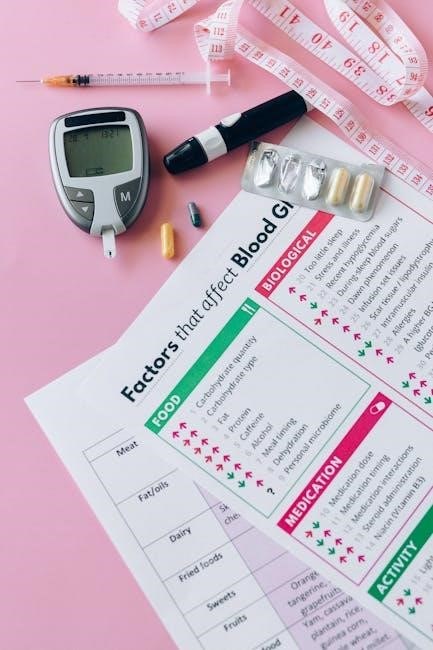
weekly pdf free printable blood sugar log sheet

Understanding the Importance of Blood Sugar Logs

Regular monitoring via logs, especially weekly printable PDF formats, empowers individuals to proactively manage their health and identify crucial patterns․

Why Track Blood Sugar Levels?

Consistent blood sugar tracking, facilitated by a weekly PDF free printable log sheet, is fundamental for effective diabetes management and overall wellness․ Monitoring reveals how food choices, physical activity, stress, and medications impact glucose levels․ This data empowers informed decisions regarding diet and lifestyle adjustments․

Identifying trends – consistently high or low readings – allows for timely intervention, potentially preventing acute complications․ A readily available, printable log simplifies the process, making it easier to share detailed information with healthcare providers during appointments․ Proactive tracking contributes to better long-term health outcomes and a higher quality of life․

The Connection Between Blood Sugar and Overall Health

Uncontrolled blood sugar significantly impacts multiple body systems, extending far beyond diabetes management․ Utilizing a weekly PDF free printable blood sugar log sheet aids in understanding this interconnectedness․ Chronically elevated glucose levels contribute to cardiovascular disease, nerve damage (neuropathy), and kidney problems․

Furthermore, inflammation, as indicated by C-reactive protein (CRP) levels, is often heightened with poor blood sugar control․ Maintaining stable glucose levels, tracked diligently with a log, supports healthy cholesterol levels and can even mitigate the effects of anemia․ Consistent monitoring empowers proactive health management and reduces long-term risks․

Types of Blood Sugar Log Sheets

Various formats exist, including weekly PDF free printable options and digital logs, catering to diverse preferences for tracking glucose levels efficiently․

Daily vs․ Weekly Log Sheets

Choosing between daily and weekly blood sugar logs depends on individual needs and healthcare provider recommendations․ Daily logs offer granular detail, capturing fluctuations throughout each day, ideal for those with rapidly changing levels or starting new treatments․ However, they can be time-consuming․

Weekly logs, like free printable PDF versions, provide a broader overview, highlighting trends over seven days․ This format is suitable for stable conditions or when assessing the long-term impact of lifestyle changes․ A weekly PDF simplifies data review and sharing with doctors, offering a concise summary of glucose control․ Consider your lifestyle and monitoring goals when selecting the best log type․

Printable vs․ Digital Logs

Printable blood sugar logs, particularly weekly PDF formats, offer simplicity and accessibility – no devices needed! They’re excellent for those preferring a tactile approach or lacking consistent tech access․ Digital logs, via apps or spreadsheets, provide automatic data analysis, graphing, and easy sharing with healthcare providers․

However, digital logs rely on device battery and familiarity․ A free printable weekly PDF ensures data recording even without power․ Many find the act of physically writing down readings increases mindfulness․ Ultimately, the best choice depends on personal preference, tech comfort, and the need for automated features versus straightforward record-keeping․

Key Elements of a Weekly Blood Sugar Log

Essential components of a weekly PDF log include date, time, readings (fasting & post-meal), medications, diet notes, and space for healthcare provider comments․

Date and Time of Readings

Precise recording of date and time is fundamental when utilizing a weekly PDF blood sugar log sheet․ Consistent timing provides a clear picture of glucose fluctuations throughout the day․ For instance, noting readings immediately upon waking (fasting) and precisely two hours after each meal offers valuable data․

A well-designed log will have dedicated columns for both date and time, ensuring clarity and minimizing errors․ This meticulous approach allows for accurate pattern identification and informed discussions with your healthcare provider․ Remember, even slight variations in timing can influence results, so consistency is key when employing a free printable log․

Fasting Blood Sugar Levels

Fasting blood sugar, measured upon waking before any food intake, is a critical component of a weekly PDF blood sugar log sheet․ This reading provides a baseline assessment of glucose control overnight․ A dedicated section on your free printable log should clearly label this measurement․

Consistent monitoring of fasting levels helps identify trends and potential issues․ Values consistently outside the target range warrant discussion with your doctor․ Utilizing a structured log, like a weekly PDF, ensures you don’t miss these vital readings, contributing to better diabetes management and overall health awareness․

Blood Sugar Levels After Meals

Post-meal blood sugar readings, recorded on your weekly PDF free printable log sheet, reveal how your body processes carbohydrates․ Typically measured one or two hours after the start of a meal, these values offer insights beyond fasting levels․ A dedicated section within the log should allow space for noting the time of the meal and the corresponding glucose reading․

Tracking these levels helps identify foods that cause spikes and allows for adjustments to diet and medication․ Consistent use of a printable weekly log facilitates pattern recognition, empowering proactive diabetes management and improved overall wellbeing․

Notes Section for Medications and Diet

A crucial component of any weekly PDF free printable blood sugar log sheet is a dedicated notes section․ This space allows for detailed recording of medications taken – including dosage and timing – alongside dietary information․ Documenting meal composition, carbohydrate intake, and any unusual food choices is vital for identifying correlations with glucose fluctuations․

This section also serves as a reminder of any lifestyle factors potentially impacting blood sugar, such as exercise or stress․ Thorough notes, combined with consistent logging, provide a comprehensive picture for effective self-management and informed discussions with healthcare providers․

Finding Free Printable Blood Sugar Log Sheets

Numerous online resources offer weekly PDF free printable blood sugar log sheets, providing convenient tools for tracking glucose levels and health data․

Online Resources for Printable Logs

A wealth of websites provide access to free printable blood sugar log sheets, specifically designed for weekly tracking․ These resources often feature various templates catering to different preferences and needs․ Searching online for “weekly blood sugar log PDF” yields numerous options, including those from diabetes-focused organizations and health websites․

Many templates allow for recording date, time, fasting levels, post-meal readings, medication details, and notes on diet or exercise․ Customizable templates are also available, enabling users to tailor the log to their specific requirements․ Utilizing these readily available resources simplifies the process of consistent blood sugar monitoring, a cornerstone of effective diabetes management and overall health awareness․

Customizable Templates

Beyond standard logs, numerous online resources offer customizable templates for weekly blood sugar tracking in PDF format․ These adaptable sheets empower individuals to personalize their monitoring experience, adding or removing fields as needed․ Users can often adjust sections for medication dosages, carbohydrate intake, or specific exercise routines․

This flexibility is particularly beneficial for those with unique healthcare plans or dietary requirements․ Editable PDF formats allow direct input, while others can be printed and filled manually․ Finding a template that aligns with individual needs promotes consistent and detailed record-keeping, ultimately enhancing the effectiveness of blood sugar management and communication with healthcare providers․

Utilizing Your Blood Sugar Log Data

Analyzing weekly PDF logs reveals trends, helping identify how diet, exercise, and medication impact glucose levels for better health management;

Identifying Patterns and Trends

Consistent use of a weekly PDF blood sugar log sheet facilitates the discovery of vital patterns․ By meticulously recording readings alongside dietary intake, physical activity, and medication dosages, individuals can pinpoint correlations․ For example, a consistent spike after a specific meal suggests a need for dietary adjustments․

Similarly, observing lower readings following exercise reinforces the benefits of physical activity․ Tracking these trends empowers proactive self-management, allowing for informed decisions regarding lifestyle modifications and medication adjustments․ A well-maintained log provides concrete data for meaningful discussions with healthcare providers, leading to personalized and effective diabetes care plans․

Sharing Information with Your Healthcare Provider

A completed weekly PDF blood sugar log sheet is an invaluable tool during medical appointments․ It provides a concise, visual representation of your blood glucose control, far exceeding fragmented recall․ Presenting this data allows your doctor to assess the effectiveness of your current treatment plan and make informed adjustments․

Detailed logs, including notes on diet, exercise, and medication, offer a holistic view of your health․ This collaborative approach, fueled by accurate data, fosters better communication and ultimately leads to optimized diabetes management and improved overall well-being․ Don’t hesitate to bring your log to every visit!

Beyond the Log: Additional Blood Tests & Health Indicators

Complementing weekly logs with tests like CRP, cholesterol, and anemia screenings provides a comprehensive health assessment, revealing interconnected factors․

C-Reactive Protein (CRP) and Inflammation

C-Reactive Protein (CRP), a protein produced by the liver, serves as a key marker of inflammation within the body․ Elevated CRP levels often signal underlying inflammatory processes, which can be subtly linked to blood sugar imbalances and overall metabolic health․ While a weekly PDF blood sugar log sheet meticulously tracks glucose levels, understanding CRP provides a broader perspective․

Inflammation can contribute to insulin resistance, hindering the body’s ability to effectively utilize glucose․ Regularly monitoring CRP alongside blood sugar readings, as documented in your log, can help identify potential inflammatory contributions to glycemic control․ A simple blood test can determine CRP levels, offering valuable insights for a more holistic health management strategy, complementing the data gathered from your weekly logs․

Cholesterol Levels and Blood Sugar

Cholesterol levels and blood sugar regulation are intricately connected, impacting cardiovascular health․ High blood sugar can contribute to unhealthy cholesterol profiles, increasing the risk of heart disease․ Statins, medications used to lower cholesterol, work by prompting the liver to remove cholesterol from the bloodstream․

While diligently tracking glucose levels with a weekly PDF blood sugar log sheet is crucial, understanding your cholesterol numbers provides a more complete picture; Monitoring both allows for a proactive approach to managing metabolic health․ Regular check-ups and blood tests, alongside consistent log data, empower informed discussions with your healthcare provider regarding optimal treatment strategies․

Anemia and its Impact on Blood Sugar

Anemia, a condition characterized by a deficiency of red blood cells or hemoglobin, can significantly influence blood sugar levels․ Blood loss, stemming from sources like heavy menstruation or ulcers, can contribute to anemia’s development․ Vitamin deficiencies also play a role․

Maintaining a detailed weekly PDF blood sugar log sheet becomes even more vital when managing anemia․ Fluctuations in blood sugar may be more pronounced, and recognizing these patterns aids in effective treatment․ A blood test is essential for diagnosis․ Consistent monitoring, alongside regular medical evaluations, supports a holistic approach to health management․

Managing Blood Pressure Alongside Blood Sugar

Hypertension and diabetes frequently coexist; tracking both with a weekly PDF log sheet is crucial for preventing long-term health complications and disability․

The Link Between Hypertension and Diabetes

Diabetes significantly increases the risk of developing high blood pressure (hypertension), and vice versa․ This dangerous combination accelerates cardiovascular disease, leading to heart attacks, strokes, and kidney failure․ Consistently monitoring both conditions is paramount․ Utilizing a weekly PDF free printable blood sugar log sheet alongside regular blood pressure checks provides a comprehensive overview of your health․

The shared risk factors – obesity, inactivity, and poor diet – contribute to both diseases․ Damage to blood vessels from high blood sugar can exacerbate hypertension, and hypertension can worsen insulin resistance․ Proactive management, aided by detailed logging, is essential for mitigating these risks and improving overall well-being․ Early detection through consistent tracking is key․

Lifestyle Changes for Blood Pressure Control

Adopting healthy habits is vital for managing blood pressure, often reducing the need for medication․ A weekly PDF free printable blood sugar log sheet can be integrated with a lifestyle tracking journal․ Dietary changes – reducing sodium, increasing potassium, and embracing the DASH diet – are crucial․ Regular physical activity, aiming for at least 30 minutes most days, significantly lowers pressure․

Maintaining a healthy weight, limiting alcohol consumption, and managing stress through techniques like meditation or yoga are also beneficial․ Consistent self-monitoring, alongside blood sugar logging, empowers individuals to take control of their health and proactively prevent complications․ These changes, documented alongside blood sugar readings, offer a holistic view․

Recognizing Warning Signs & When to Seek Help

Sudden drops in blood pressure, indicative of septic shock, require immediate medical attention; consistent weekly log sheet data aids accurate reporting․

Symptoms of Septic Shock

Septic shock, a life-threatening complication of sepsis, demands swift recognition and intervention․ Symptoms include a severe and dangerous drop in blood pressure, potentially leading to organ failure and even death․ Individuals experiencing this may also exhibit confusion, disorientation, rapid heart rate, and shallow, rapid breathing․

Maintaining a detailed weekly PDF free printable blood sugar log sheet can indirectly assist in identifying early signs of infection, as fluctuations outside the normal range might signal an underlying issue․ Accurate record-keeping provides valuable information for healthcare professionals during critical assessments, potentially improving outcomes when septic shock is suspected․ Prompt medical attention is crucial․

Understanding High Blood Pressure Symptoms

High blood pressure (hypertension) often presents without noticeable symptoms, earning it the nickname “silent killer․” However, severe hypertension can manifest as headaches, nosebleeds, fatigue, vision problems, chest pain, difficulty breathing, and irregular heartbeats․ Regular monitoring is vital, even in the absence of symptoms, to prevent long-term damage․

Utilizing a weekly PDF free printable blood sugar log sheet, while focused on glucose levels, encourages consistent health tracking․ This habit can prompt more frequent blood pressure checks, aiding in early detection and management․ Proactive health awareness, fostered by logging, supports overall well-being․